EN
EN
 AR
AR
 BG
BG
 HR
HR
 CS
CS
 DA
DA
 NL
NL
 FI
FI
 FR
FR
 DE
DE
 EL
EL
 HI
HI
 IT
IT
 JA
JA
 KO
KO
 NO
NO
 PL
PL
 PT
PT
 RO
RO
 RU
RU
 ES
ES
 SV
SV
 TL
TL
 IW
IW
 ID
ID
 LV
LV
 SR
SR
 SK
SK
 VI
VI
 HU
HU
 TH
TH
 TR
TR
 MS
MS
 GA
GA
 IS
IS
 HY
HY
 AZ
AZ
 BN
BN
 LA
LA
 MY
MY

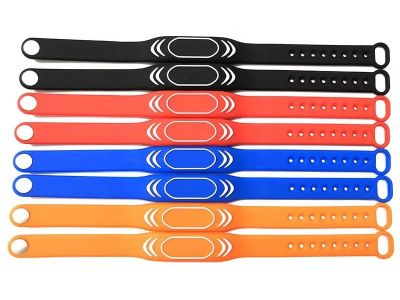
How Rugged RFID Tags Improve Inventory Tracking and Logistics Efficiency
In today's fast-paced logistics and warehousing industry, accurate inventory tracking is essential. RFID technology has transformed the way businesses monitor products throughout the supply chain, helping reduce errors, improve visibility, and increase operational efficiency. Whether integrated with a smart card, RFID smart card, or contactless smart card system, RFID solutions provide reliable identification and tracking capabilities across various industries.
However, not all RFID tags are designed for demanding environments. In warehouses, distribution centers, manufacturing facilities, and transportation networks, RFID tags must withstand harsh conditions while continuing to perform consistently.
What Makes an RFID Tag Rugged and Reliable?
A rugged RFID tag is specifically designed to withstand challenging environmental conditions without losing functionality. Unlike standard RFID labels, industrial-grade tags are built using durable materials that protect the internal electronics from physical damage, moisture, temperature fluctuations, and chemical exposure.
Key characteristics of rugged RFID tags include:
Impact-resistant construction
Waterproof and dustproof protection
Resistance to extreme temperatures
Strong adhesion or secure mounting options
Long-term signal reliability
Protection against vibration and mechanical stress
These features ensure that inventory remains traceable even in the most demanding logistics operations.
Choosing RFID Tags for Extreme Warehouse Environments
Selecting the right RFID solution depends largely on the environment in which the tags will operate.
Cold Storage Facilities
Warehouses that store frozen products require RFID tags capable of functioning in sub-zero temperatures. Standard labels may become brittle and crack, causing tracking failures. Industrial RFID tags use specialized materials that remain flexible and operational even in freezing conditions.
High-Temperature and Humid Environments
Food processing plants, manufacturing facilities, and outdoor storage areas often expose equipment to heat and humidity. RFID tags used in these environments should feature sealed housings that prevent moisture intrusion and maintain signal performance over time.
Heavy-Duty Industrial Operations
Forklifts, conveyors, and automated handling systems can subject tags to constant impacts and vibration. Reinforced RFID tags with protective casings help prevent physical damage while maintaining reliable communication with readers.
Metal and Liquid-Rich Environments
Traditional RFID systems can experience signal interference when used near metal surfaces or liquids. Specialized industrial RFID tags are designed with optimized antenna structures that improve readability and minimize interference.
The Role of RFID Technology in Preventing Inventory Loss
Inventory loss remains one of the most expensive challenges for logistics operations. Missing products, misplaced pallets, and inaccurate inventory records can lead to delayed shipments, increased labor costs, and dissatisfied customers.
Rugged RFID tags provide continuous visibility throughout the supply chain by ensuring that products remain identifiable regardless of environmental conditions.
Benefits include:
Real-time inventory tracking
Improved stock accuracy
Reduced manual counting
Faster inventory audits
Enhanced shipment verification
Lower risk of misplaced products
Many organizations combine RFID tracking systems with a smart card infrastructure to improve access control and inventory management. Advanced systems may also integrate an RFID smart card for employee authentication and asset tracking within a unified platform.
Key Features of Industrial RFID Logistics Tags
Industrial-grade RFID tags offer several advantages that make them ideal for logistics applications:
Environmental Protection
High-quality RFID tags are designed to resist water, dust, chemicals, oils, and other contaminants commonly found in industrial environments.
Durable Mounting Options
Depending on the application, tags can be attached using industrial adhesives, screws, rivets, or specialized mounting hardware to ensure they remain securely attached throughout their service life.
Consistent Read Performance
Reliable communication is essential for accurate inventory tracking. Industrial RFID tags are engineered to provide stable read performance even when exposed to challenging environmental conditions.
Long Service Life
A durable RFID tag reduces replacement costs and minimizes operational disruptions, making it a cost-effective long-term investment.
Common Challenges Faced by Standard RFID Tags
While conventional RFID labels work well in controlled environments, they often struggle in industrial logistics operations.
Common issues include:
Damage from moisture exposure
Signal degradation near metal surfaces
Failure in extreme temperatures
Adhesive breakdown over time
Reduced durability during handling and transportation
These limitations can result in inaccurate inventory records and increased operational costs.
Finding Cost-Effective RFID Solutions
Businesses often assume that durable RFID solutions are significantly more expensive. However, investing in higher-quality tags frequently reduces total ownership costs by minimizing replacements, inventory discrepancies, and labor-intensive tracking processes.
When evaluating RFID suppliers, consider:
Product durability certifications
Environmental resistance ratings
Read performance specifications
Industry-specific application experience
Technical support availability
Long-term reliability
Organizations that integrate rugged RFID tags with a contactless smart card system can further streamline operations by combining secure identification, access control, and inventory tracking into a single technology ecosystem.
Conclusion
Rugged RFID tags play a critical role in modern logistics and inventory management. Their ability to withstand harsh environmental conditions while maintaining reliable performance helps businesses improve inventory accuracy, reduce losses, and enhance operational efficiency.
Whether used independently or alongside a smart card, RFID smart card, or contactless smart card solution, industrial RFID technology provides the durability and reliability needed for today's demanding supply chain environments. By selecting the right RFID tags for specific operational requirements, businesses can achieve greater visibility, better asset control, and long-term cost savings.